Dental

The Science Behind Dental Technologies: Elevating Oral Care

January 3, 2026 at 5:27 am 0 comments

The Digital Revolution in Modern Dentistry

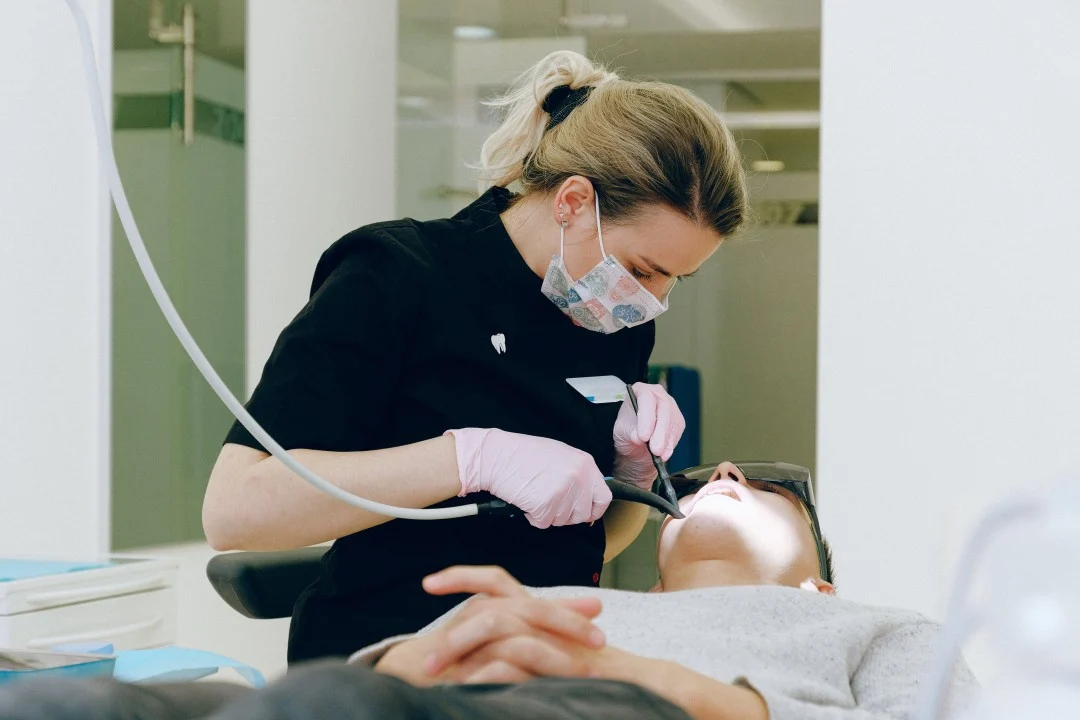
The landscape of dental care has undergone a remarkable transformation over the past decade, with cutting-edge technologies reshaping how a dentist Borehamwood diagnoses, treats, and prevents oral health issues. From artificial intelligence-powered diagnostics to 3D printing applications, the integration of advanced scientific principles into everyday dental practice has elevated patient care to unprecedented levels of precision and comfort.

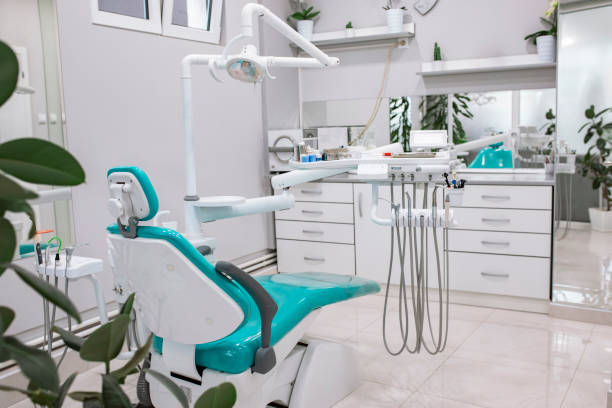
Modern dental surgeries now resemble high-tech laboratories more than the clinical environments of yesteryear. This evolution represents not merely an upgrade in equipment, but a fundamental shift towards evidence-based, minimally invasive treatments that prioritise patient comfort whilst delivering superior clinical outcomes. The convergence of materials science, computer technology, and biological research has created opportunities for dental professionals to offer treatments that were once considered impossible.

Precision Diagnostics Through Advanced Imaging

Digital radiography has revolutionised the diagnostic capabilities available to dental practitioners, offering enhanced image quality with significantly reduced radiation exposure compared to traditional film-based systems. Cone beam computed tomography (CBCT) technology provides three-dimensional imaging that allows clinicians to examine anatomical structures with remarkable detail, facilitating more accurate treatment planning and improved surgical outcomes.

Intraoral scanners represent another leap forward in diagnostic technology, eliminating the need for uncomfortable impression materials whilst creating precise digital models of patients’ teeth and gums. These devices utilise structured light or laser technology to capture thousands of data points per second, generating highly accurate 3D models that can be used for treatment planning, monitoring progress, and fabricating custom restorations.

The Science Behind Dental Technologies: Elevating Oral Care

Materials Science Breakthroughs

The development of biocompatible materials has transformed restorative dentistry, with ceramic composites and advanced polymers offering strength characteristics that rival natural tooth structure. These materials not only provide excellent aesthetic results but also demonstrate superior longevity compared to traditional amalgam fillings. Recent technological advancements in dentistry have particularly focused on developing materials that can integrate seamlessly with natural tooth structure whilst providing antimicrobial properties.

Nanotechnology has emerged as a particularly promising field within dental materials science, enabling the creation of composites with enhanced mechanical properties and improved resistance to bacterial colonisation. These innovations have practical implications for patients seeking treatment from a dentist in Borehamwood residents can trust for modern, effective care.

Artificial Intelligence and Machine Learning Applications

Artificial intelligence has begun to play an increasingly significant role in dental diagnostics, with machine learning algorithms capable of detecting early signs of dental caries, periodontal disease, and oral pathology from digital radiographs. These systems can analyse images with remarkable accuracy, often identifying subtle changes that might escape human observation during routine examinations.

Predictive analytics powered by AI technology enables dental professionals to assess patient risk factors more comprehensively, facilitating preventive interventions that can halt disease progression before symptoms become apparent. This proactive approach represents a paradigm shift from reactive treatment models towards personalised preventive care strategies tailored to individual patient needs.

Minimally Invasive Treatment Modalities

Laser technology has transformed numerous dental procedures, offering precise tissue management with reduced bleeding, swelling, and post-operative discomfort. Soft tissue lasers enable practitioners to perform periodontal therapy and oral surgery procedures with enhanced precision, whilst hard tissue lasers can remove decay and prepare cavities with minimal damage to surrounding healthy tooth structure.

The integration of computer-aided design and manufacturing (CAD/CAM) systems has streamlined the production of custom restorations, enabling same-day treatment for many procedures that previously required multiple appointments. These systems combine digital impressions with precision milling technology to create crowns, veneers, and inlays that achieve optimal fit and function. For patients consulting a dentist, practices increasingly utilise such technologies to enhance treatment efficiency and patient satisfaction.

Future Horizons in Dental Innovation

Emerging technologies continue to push the boundaries of what’s possible in dental care. Dental innovations shaping the future of oral health care include regenerative medicine approaches that may eventually enable the regrowth of damaged tooth structures using stem cell therapy and tissue engineering principles.

Teledentistry platforms have expanded access to dental consultations, particularly valuable for initial assessments and follow-up care. These digital health solutions complement traditional in-person treatments whilst providing convenient options for patients seeking professional dental advice.

Transforming Patient Experiences Through Science

The scientific advances in dental technology have fundamentally elevated the standard of oral care available to patients. Comprehensive innovations in oral health service delivery demonstrate how these technological developments translate into measurably improved patient outcomes. Modern dentistry’s embrace of scientific innovation ensures that patients receive treatments that are more comfortable, predictable, and effective than ever before, establishing a new benchmark for excellence in oral healthcare delivery.

Aesthetic Precision: How Dental Implants Restore Natural Smiles

December 5, 2025 at 6:50 am 0 comments

The Evolution of Smile Restoration

Modern dentistry has revolutionised the way people approach tooth replacement, with dental implants emerging as the gold standard for restoring both function and aesthetics. For those seeking dental implants in Canary Wharf, the journey towards a renewed smile begins with understanding how these remarkable innovations work to create natural-looking results.

Understanding the Artistry of Dental Implants

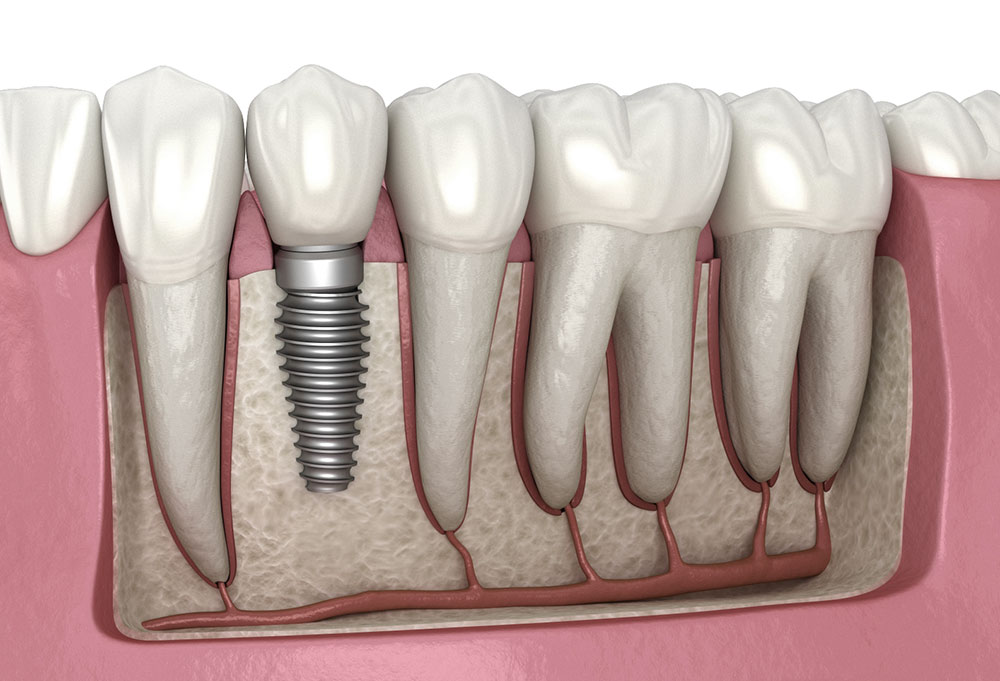
Dental implants represent a remarkable fusion of surgical precision and aesthetic artistry. These titanium posts, which serve as artificial tooth roots, have transformed restorative dentistry by offering a permanent solution that closely mimics natural teeth. The increasing popularity of dental implants stems from their ability to provide unmatched stability and natural appearance, making them an ideal choice for those seeking long-term tooth replacement solutions.

The Components of a Perfect Smile

A successful dental implant procedure involves three crucial elements:

  • The implant post: A biocompatible titanium screw that integrates with the jawbone
  • The abutment: A connector that links the implant to the crown
  • The crown: A custom-made artificial tooth that matches surrounding teeth

Aesthetic Precision: How Dental Implants Restore Natural Smiles

Precision in Planning and Placement

The success of dental implants relies heavily on meticulous planning and precise execution. Modern dental practices utilise advanced 3D imaging technology to ensure optimal implant placement. This technology allows practitioners to:

  1. Assess bone density and quality
  2. Plan exact implant positioning
  3. Visualise the final aesthetic outcome
  4. Minimise potential complications

The Art of Natural Aesthetics

Creating a natural-looking smile requires more than just technical expertise. The aesthetic success of dental implants depends on careful consideration of various factors, including:

  • Gum tissue management and contouring
  • Precise colour matching with existing teeth
  • Proper sizing and shaping of the crown
  • Consideration of facial symmetry and proportion

The combination of these elements ensures that dental implants not only function properly but also create a seamless blend with natural teeth, restoring both confidence and oral function.

The Integration Process

The journey to achieving a perfectly restored smile through dental implants involves a carefully managed process known as osseointegration. During this phase, the titanium implant post gradually fuses with the surrounding bone tissue, creating a stable foundation for the artificial tooth. This natural integration process typically takes between three to six months, during which temporary restorations may be used to maintain aesthetics and function.

Maintaining Long-term Results

The longevity of dental implants depends significantly on proper maintenance and care. Multiple dental implants can provide enhanced stability and improved oral health outcomes when properly maintained. Professional guidance typically includes:

  • Regular dental check-ups and professional cleanings
  • Proper oral hygiene techniques specific to implants
  • Monitoring of gum health around the implant sites
  • Early intervention if any concerns arise

Advanced Techniques for Optimal Results

Modern dental implant procedures incorporate various advanced techniques to achieve optimal aesthetic outcomes. These may include:

  • Immediate loading protocols for suitable candidates
  • Computer-guided implant placement
  • Soft tissue management techniques
  • Custom shade matching technology

For patients seeking dental implants, these advanced approaches ensure that their investment in oral health yields the best possible aesthetic and functional results.

Looking Ahead: The Future of Smile Restoration

The field of dental implantology continues to evolve, with new technologies and techniques emerging regularly. These innovations focus on:

  • Reducing treatment timeframes
  • Improving aesthetic outcomes
  • Enhancing long-term stability
  • Increasing patient comfort

A New Chapter in Dental Care

The restoration of natural smiles through dental implants represents a significant advancement in modern dentistry. By combining surgical precision with aesthetic artistry, dental professionals can now offer solutions that not only restore function but also create beautiful, natural-looking results that can last a lifetime. As techniques continue to advance and technology evolves, the future of dental implant treatment promises even more refined and predictable outcomes for patients seeking to restore their smiles.

Composite Bonding: The Science of Effortless Smile Cohesion

October 29, 2025 at 6:08 am 0 comments

Understanding Modern Dental Aesthetics

The evolution of cosmetic dentistry has brought forth remarkable innovations in smile enhancement, with composite bonding London treatments leading the way in transformative dental procedures. This sophisticated approach to dental aesthetics combines artistic precision with advanced materials science, offering patients a minimally invasive path to achieving their ideal smile.

The Chemistry Behind the Magic

At its core, dental composite materials are engineered using a unique blend of resins and fine particles that work together to create a durable, natural-looking finish. These materials have been refined over decades of research to perfectly mimic the optical properties of natural teeth, ensuring seamless integration with existing dental structures.

Components of Composite Materials

  • Resin matrix compounds
  • Inorganic filler particles
  • Coupling agents
  • Photo-initiators for curing

The Artistic Process

The application of composite bonding requires a delicate balance of technical expertise and artistic vision. Dental professionals must carefully consider factors such as tooth colour, shape, and overall facial harmony when applying the composite material. This attention to detail ensures that each treatment delivers results that appear both natural and aesthetically pleasing.

Composite Bonding: The Science of Effortless Smile Cohesion

Treatment Applications

Modern composite bonding serves multiple purposes in cosmetic dentistry, addressing various aesthetic concerns with remarkable efficiency. The versatility of this treatment makes it an excellent choice for patients seeking improvements in their smile without extensive dental work.

  • Closing gaps between teeth
  • Repairing minor chips and cracks
  • Improving tooth shape and size
  • Masking surface discolouration

Benefits and Considerations

Understanding the advantages and limitations of composite bonding treatments helps patients make informed decisions about their dental care. The procedure’s conservative nature, preserving natural tooth structure while delivering significant aesthetic improvements, has made it increasingly popular among those seeking smile enhancements.

The Technical Excellence

The precision required in composite bonding procedures demands extensive expertise from dental professionals. Each application must account for the unique characteristics of the patient’s teeth, including their natural contours, bite alignment, and existing dental work. This meticulous attention to detail ensures long-lasting results that enhance both function and aesthetics.

The Application Process

  1. Surface preparation and cleaning
  2. Colour matching to existing teeth
  3. Application of bonding agent
  4. Layering of composite material
  5. Shaping and contouring
  6. Polishing for natural lustre

Maintenance and Longevity

The durability of composite bonding treatments relies significantly on proper aftercare and maintenance. While the materials used are highly resistant to everyday wear, certain precautions can help extend their lifespan and maintain their aesthetic appeal. Regular dental check-ups and good oral hygiene practices play crucial roles in preserving the quality of the bonding work.

Essential Care Tips

  • Avoid excessive consumption of staining substances
  • Use non-abrasive toothpaste
  • Regular professional cleaning
  • Protection during sports activities

Future Developments in Dental Technology

The field of cosmetic dentistry continues to evolve, with ongoing research into improved composite materials and application techniques. These advancements focus on enhancing durability, aesthetic properties, and the overall patient experience. The future of composite bonding looks promising, with new technologies emerging to make treatments even more effective and long-lasting.

Transforming Smiles, Enhancing Lives

The impact of composite bonding extends beyond mere aesthetic enhancement. This innovative treatment has revolutionised the way dental professionals approach smile transformation, offering patients a conservative yet effective solution for various dental concerns. As techniques continue to advance and materials improve, composite bonding remains at the forefront of modern cosmetic dentistry, providing patients with the confidence that comes from a beautifully cohesive smile.

Unveiling the Influence of Micro-Interactions on Dental Websites

July 9, 2025 at 9:22 am 0 comments

Introduction: The Importance of Micro-Interactions

In the ever-evolving digital landscape, dental websites have become increasingly sophisticated, incorporating subtle yet powerful elements known as micro-interactions. These small, purposeful moments in the user interface can significantly enhance the overall patient experience and practice accessibility. Understanding how these minute details influence user behaviour and engagement has become crucial for dental practices seeking to establish a meaningful online presence.

Understanding Micro-Interactions in Digital Design

Micro-interactions are the subtle animations, transitions, and feedback mechanisms that occur when users interact with a website. These essential design elements guide user behaviour and provide immediate feedback, creating a more intuitive and engaging browsing experience. In the context of dental practice websites, these small details can make a substantial difference in how potential patients interact with and perceive the practice.

Key Components of Micro-Interactions

Several fundamental elements comprise effective micro-interactions on websites for dental practices:

  • Visual Feedback: Subtle colour changes when hovering over buttons or links
  • Progress Indicators: Loading animations during form submissions
  • Confirmation Messages: Clear notifications after booking appointments
  • Interactive Elements: Smooth transitions in navigation menus

dental websites

The Impact on Patient Engagement

Thoughtfully designed micro-interactions can significantly improve user experience and patient engagement on dental practice websites. When implemented correctly, these elements help visitors navigate through the site more efficiently, understand their actions’ consequences, and feel more confident in their interactions with the practice’s digital platform.

Enhancing User Navigation

One of the most crucial applications of micro-interactions is in website navigation. Implementing intuitive micro-animations in navigation elements helps guide visitors through the website’s structure, making it easier for them to find essential information about dental services, appointment booking, and practice information. These subtle cues can significantly reduce confusion and frustration, leading to a more positive user experience.

Building Trust Through Feedback

Micro-interactions play a vital role in establishing trust between the dental practice and potential patients. When users receive immediate, clear feedback for their actions, such as successfully submitting a contact form or scheduling an appointment, they feel more confident in their interaction with the practice’s digital presence.

Optimising Patient Communication

Micro-interactions serve as valuable tools for enhancing communication between dental practices and their patients. These subtle design elements can effectively convey important information without overwhelming visitors. For instance, gentle reminders about incomplete form fields or confirmation messages after successful appointment requests help maintain clear communication channels.

Form Interaction Improvements

Patient forms and contact submissions benefit significantly from well-designed micro-interactions. These elements can include:

  • Real-time field validation indicators
  • Smooth transitions between form sections
  • Clear success and error states
  • Progress indicators for multi-step forms

Mobile Responsiveness and Micro-Interactions

With the increasing use of mobile devices to access dental websites, micro-interactions must be optimised for smaller screens. Touch-based interactions require special consideration to ensure they remain intuitive and functional across all devices. This adaptation includes adjusting animation timing, touch target sizes, and feedback mechanisms to suit mobile browsing habits.

Performance Considerations

While micro-interactions enhance user experience, they must be implemented thoughtfully to maintain optimal website performance. Dental practices should ensure that these interactive elements do not compromise loading speeds or overall site functionality. This balance is crucial for maintaining an engaging yet efficient online presence.

Conclusion

The strategic implementation of micro-interactions on dental practice websites represents a significant opportunity to enhance patient engagement and improve online service delivery. These subtle design elements, when properly executed, can transform a standard website into an intuitive, user-friendly platform that better serves both the practice and its patients.

As digital technologies continue to evolve, the role of micro-interactions in dental website design will likely become even more significant. Practices that embrace these design elements whilst maintaining a focus on functionality and user experience will be better positioned to meet the growing expectations of their digital-savvy patients.

The future of dental practice websites lies in creating seamless, intuitive experiences that make accessing dental care information and services as straightforward as possible. Through careful consideration and implementation of micro-interactions, practices can create more engaging and effective online platforms that serve their patients’ needs whilst maintaining professional standards.

Any surgical or invasive procedure carries risks. Before proceeding you should seek a second opinion from an appropriately qualified health practitioner.

Crafting Your Desired Smile: The Art of Invisalign Innovation

March 4, 2025 at 10:16 am 0 comments

Introduction

In a world where appearances often speak volumes, having an attractive smile can be a significant asset. With advancements in dental technology, achieving this beautiful smile is more accessible than ever before. Among these innovations, Invisalign has emerged as a leading solution for those seeking discreet and effective orthodontic treatment. This blog post delves into the artistry behind Invisalign in Bromley and its transformative impact on dental care.

The Evolution of Orthodontic Solutions

Traditional braces have long been the go-to solution for correcting misaligned teeth. While effective, they often come with discomfort and aesthetic concerns. Enter Invisalign, a revolutionary alternative that has transformed the landscape of orthodontics. Unlike metal braces, Invisalign uses clear, removable aligners, allowing patients to maintain their lifestyle with minimal disruption.

How Invisalign Works

Invisalign treatment involves a series of custom-made aligners that gradually move teeth into their desired position. Patients receive new aligners every one to two weeks, each set designed to make slight adjustments. This process typically lasts between 12 to 18 months, depending on individual cases. The beauty of Invisalign lies in its ability to cater to a wide range of dental issues, from minor adjustments to more complex realignments.

The Benefits of Invisalign

The advantages of choosing Invisalign are numerous:

  • Discretion: The clear aligners are virtually invisible, allowing for confidence in social and professional settings.
  • Comfort: Made from smooth, medical-grade plastic, Invisalign aligners are gentle against gums and cheeks.
  • Convenience: Being removable, they do not hinder eating habits or oral hygiene practices.
  • Predictability: Advanced 3D imaging technology provides a clear treatment plan from start to finish.

For those considering Invisalign, it offers a comprehensive approach to ensure personalised treatment.

Crafting Your Desired Smile: The Art of Invisalign Innovation

Scientific Insights into Invisalign

Research consistently supports the efficacy of Invisalign. A study focusing on the precision of tooth movement demonstrated that Invisalign aligners are highly accurate in achieving predetermined outcomes Invisalign aligners demonstrate high accuracy in achieving treatment outcomes. There have been many such researches and the work on the clinical effectiveness of Invisalign is ongoing.

Conclusion

The art of crafting one’s desired smile is no longer just a fantasy, thanks to the innovation and effectiveness of Invisalign. For residents of Bromley and beyond, this treatment offers a seamless blend of comfort, convenience, and aesthetic appeal. As dental technology continues to advance, Invisalign remains at the forefront, providing individuals with the opportunity to achieve their ideal smile without compromise.

By choosing Invisalign, individuals can embrace a journey towards a more confident self, knowing they are supported by cutting-edge technology and skilled practitioners. Whether considering Invisalign in Bromley or elsewhere, the path to a stunning smile is clearer than ever.

Navigating the Path to Dental Wellbeing with Collaborative Care

February 6, 2025 at 10:17 am 0 comments

Introduction

In the contemporary world of healthcare, the concept of collaborative care has gained significant traction. This approach, which involves various healthcare professionals working in tandem, has shown promising results across different fields. Dentistry, in particular, stands to benefit immensely from this model. Collaborative care in dentistry not only enhances the quality of oral healthcare but also contributes to overall wellbeing. This article explores the intricate path to dental wellbeing through collaborative care, underscoring the importance of teamwork and communication among dental professionals.

Understanding Collaborative Care in Dentistry

Collaborative care in dentistry refers to a coordinated approach where dental professionals, including dentists, dental hygienists, and oral health specialists, work together to provide comprehensive care to patients. This model is rooted in the belief that a collective effort leads to better patient outcomes. By sharing knowledge and expertise, dental teams can address complex oral health issues more effectively while also focusing on preventive care.

The Role of Dental Hygienists

Dental hygienists play a pivotal role in the collaborative care model. They often serve as the first point of contact for patients, conducting initial assessments and providing essential preventive care. By working closely with dentists, hygienists can help identify potential oral health issues early on. More information on the role of dental hygienists in collaborative practice can be found in this relevant resource.

dentist Coorparoo

Integration with Other Healthcare Providers

Interprofessional collaboration extends beyond dental teams. Integration with other healthcare providers, such as general practitioners and specialists, is crucial for holistic patient care. This collaboration ensures that dental health is considered an integral part of overall health, allowing for comprehensive treatment plans. The importance of oral healthcare providers in such interprofessional collaborative practices can be explored further in this article.

Benefits of Collaborative Care in Dentistry

The collaborative care approach in dentistry offers a host of benefits for both patients and practitioners.

  • Improved Patient Outcomes: By pooling their expertise, dental professionals can formulate more effective treatment plans, leading to better patient outcomes.
  • Enhanced Preventive Care: Collaborative care emphasises preventive measures, helping to identify and address issues before they become severe.
  • Efficient Resource Utilisation: Sharing resources and information among professionals leads to more efficient care delivery.

Challenges and Considerations

While the benefits of collaborative care are evident, there are challenges to its implementation. Effective communication and clear delineation of roles are essential to prevent overlaps and ensure seamless care. Additionally, fostering a culture of mutual respect and understanding among team members is critical. For those interested in best practices, a comprehensive toolkit for collaborative dental hygiene practice is available.

Collaborative Care in Action

In Coorparoo, dental practices have embraced the collaborative care model, showcasing its potential in real-world settings. By integrating this approach, a dentist Coorparoo can offer a more holistic and coordinated care experience. This not only elevates the standard of dental services provided but also enhances patient satisfaction, as patients receive comprehensive care tailored to their specific needs.

Conclusion

As the healthcare landscape continues to evolve, the integration of collaborative care within dentistry presents significant opportunities for improved patient care and outcomes. By embracing teamwork and fostering strong interprofessional relationships, dental practitioners can ensure that oral health is given the attention it deserves within the broader context of overall wellbeing. The path to dental wellbeing is indeed a collaborative journey, one that holds promise for a healthier future.

Any surgical or invasive procedure carries risks. Before proceeding you should seek a second opinion from an appropriately qualified health practitioner.

Empowering Patients: The Role of Education in Private Dental Care

December 29, 2024 at 7:08 am 0 comments

The Power of Knowledge

In an era where information is readily available at the tips of our fingers, the importance of patient education in private dental care cannot be overstated. Empowering patients through knowledge not only enhances their dental health but also cultivates a relationship of trust and transparency between the patient and the dentist. This blog post explores the pivotal role of education in private dental care, particularly focusing on the benefits it brings to both patients and practitioners.

The Importance of Patient Education

Patient education in private dental care is essential for several reasons. Firstly, it enables patients to make informed decisions about their dental health. By understanding the procedures and treatments available, patients can actively participate in their care plans. This collaborative approach helps in demystifying dental procedures, reducing anxiety and promoting a sense of ownership over one’s dental health.

Benefits for Patients

  • Informed Decisions: Educated patients are better equipped to choose the right treatments, which is particularly important in private dental settings where a wide range of options is available.
  • Improved Health Outcomes: Understanding dental health practices empowers patients to adopt healthier habits, leading to better oral health outcomes.
  • Enhanced Trust: A well-informed patient is more likely to trust their dentist, which is crucial for effective treatment and ongoing dental care.

private dentist Manchester

Benefits for Private Dentists

  • Better Communication: Educating patients fosters open communication, allowing private dentists to better understand and address patient concerns.
  • Patient Satisfaction: Educated patients are generally more satisfied with their care, as they feel involved and informed throughout their treatment journey.
  • Reduced Anxiety: By providing education, dentists can alleviate patient fears, making for a more pleasant and efficient dental visit.

Educational Resources in Private Dental Care

There is an array of educational resources available to patients seeking to enhance their dental knowledge. Dental practices often provide brochures, websites, and even interactive tools to facilitate learning. Educational websites like DentalCare.com offer valuable insights into various dental topics, helping patients to broaden their understanding.

Online Platforms

With the advent of digital technology, online platforms have become a cornerstone in patient education. These platforms offer an extensive range of information, from basic oral hygiene tips to complex dental procedures. Such resources are invaluable for patients of a private dentist in Manchester, where accessing tailored content can significantly enhance patient knowledge and preparedness.

Scientific Research and Publications

Access to scientific research is another important facet of patient education. Publications such as the Journal of the American Dental Association provide patients with credible information on the latest advancements in dental care. Furthermore, studies published on platforms like PubMed offer an evidence-based approach to understanding dental health, allowing patients to explore in-depth analyses of various treatments and methodologies.

The Role of Private Dentists in Patient Education

Private dentists play a vital role in patient education. Not only do they provide tailored advice and recommendations, but they also encourage patients to seek out reliable resources to further their understanding. A private dentist in Manchester, for instance, might offer personalised consultations, addressing specific patient concerns while providing comprehensive information about available treatment options.

  1. Personalised Consultations: These sessions allow dentists to address individual patient queries, providing targeted advice and education based on specific needs and concerns.
  2. Workshops and Seminars: Some practices offer workshops or seminars, where patients can engage with dental professionals and learn about advancements in dental care practices.
  3. Encouraging Continuous Learning: Dentists often guide patients toward credible sources of information, ensuring they remain well-informed about their dental health.

Conclusion

In conclusion, patient education in private dental care is an invaluable tool that empowers individuals, enhancing their understanding and management of oral health. This empowerment leads to improved health outcomes, increased patient satisfaction, and a stronger, trust-based relationship between patient and practitioner. As patient education continues to evolve, private dental practices, such as a private dentist Manchester, remain at the forefront, guiding patients through their dental health journey with expertise and compassion.

How Regular Dental Check-Ups Can Benefit Balham Residents

November 11, 2024 at 7:23 am 0 comments

Balham, a charming neighbourhood nestled in South London, is a vibrant community known for its blend of city life and serene green spaces. Amidst its bustling high streets and tranquil commons, what often gets overlooked is the importance of maintaining one’s dental health. Regular dental check-ups can significantly benefit Balham residents in various ways. From early detection of oral diseases to maintaining overall well-being, a routine visit to the dentist can make a world of difference. Finding a reliable dentist in Balham is crucial in this endeavour. Here’s a closer look at the importance of regular dental check-ups and how they can make a positive impact on the lives of the residents of Balham. Keep your pearly whites healthy and your smile brighter than ever with regular dental check-ups.

Introduction to Dental Health in Balham

Balham, a sought-after residential locale in South London, is home to a diverse and health-conscious community. The residents are well aware of the importance of staying physically fit and maintaining a balanced diet. However, the aspect of dental health often doesn’t get the attention it deserves. While oral health is an integral part of overall wellness, it tends to be overlooked. Perhaps it is due to a lack of awareness or the fear of dental procedures. Nevertheless, residents can benefit immensely from understanding the importance of regular dental check-ups and finding a trustworthy dentist in Balham to guide them on their journey towards perfect oral health.

The Importance of Regular Dental Check-Ups

Regular dental check-ups are crucial for maintaining optimal oral health. They allow your dentist to inspect your oral cavity thoroughly, spotting any potential issues before they escalate into more serious conditions. These routine inspections can prevent tooth decay, gum diseases, and even oral cancer. They also serve as the perfect opportunity for dentists to carry out professional cleaning of your teeth, something your regular toothbrush and floss might miss. Furthermore, dental check-ups can help identify signs of various systemic diseases that often manifest in the mouth before any other part of the body. In Balham, finding a dentist who can provide comprehensive dental check-ups is essential for residents to keep their smiles healthy and bright.

Preventing Common Dental Issues

Regular dental check-ups are instrumental in preventing common dental issues. Whether it’s tooth decay or gum disease, early detection is the key to effective treatment. Regular visits to a trusted Balham dentist can help mitigate these issues before they become severe. A professional cleaning session can remove hardened plaque (tartar), a major contributor to tooth decay and gum disease. Regular check-ups can also help catch early signs of cavities, allowing for timely treatment. Furthermore, dentists can provide guidance on maintaining proper oral hygiene at home, such as correct brushing and flossing techniques. Ultimately, regular dental check-ups can serve as a preventive measure against common dental ailments, contributing to the overall health and well-being of Balham residents.

Early Detection of Serious Conditions

The role of regular dental check-ups in the early detection of serious conditions cannot be overstated. In many instances, symptoms of potentially life-threatening diseases such as oral cancer first appear within the oral cavity. A routine visit to your dentist in Balham can facilitate early identification of these symptoms, leading to prompt diagnosis and treatment. By examining your teeth, gums, and mouth tissues, your dentist can spot any abnormalities, such as sores or discolouration, which could be indicative of a larger health issue. Beyond oral health, studies have found links between gum disease and conditions such as heart disease and diabetes. Regular check-ups can hence serve as a preventive measure, safeguarding not just your oral health, but your overall well-being.

Enhancing Overall Health

In addition to detecting and preventing dental issues, regular dental check-ups contribute significantly to enhancing overall health. Studies show a strong correlation between oral health and general well-being, with dental issues often linked to conditions such as heart disease, diabetes, and even respiratory diseases. Regular check-ups allow your Balham dentist to identify and address these potential health issues early, ensuring holistic health management. Moreover, dental visits can also offer insights into nutritional deficiencies that may be evident from the condition of your teeth or gums. By maintaining regular dental appointments, Balham residents are not just investing in a healthy smile, but also a healthier, happier lifestyle.

How Regular Dental Check-Ups Can Benefit Balham Residents

Finding a Reliable Dentist in Balham

To reap the full benefits of regular dental check-ups, finding a reliable dentist in Balham is a crucial step. A good dentist is not just about dental expertise but also about fostering a comfortable and reassuring environment. They would be someone who takes the time to understand your dental concerns and provides customised solutions. While there are several dental practices in Balham, it’s essential to find one that delivers comprehensive dental care and prioritises patient comfort. Look for practices that use modern dental technology, have a track record of positive patient experiences and offer a wide range of services. Remember, a reliable dentist is your partner in maintaining oral health and enhancing overall well-being.

Conclusion: Embracing Regular Check-Ups

In conclusion, regular dental check-ups are a vital part of maintaining not just oral health, but overall well-being. They can help prevent common dental issues, enable early detection of serious conditions, and contribute to a healthier lifestyle. For Balham residents, embracing these regular dental visits and establishing a relationship with a trusted local dentist can be a game-changer. Remember, a healthy smile is more than just an aesthetic asset; it’s a testament to your overall health. So, make dental check-ups a routine part of your healthcare regime and continue to enjoy the vibrant life that Balham offers, with a bright and healthy smile to complement it.