
The Science Behind Dental Technologies: Elevating Oral Care
The Digital Revolution in Modern Dentistry
The landscape of dental care has undergone a remarkable transformation over the past decade, with cutting-edge technologies reshaping how a dentist Borehamwood diagnoses, treats, and prevents oral health issues. From artificial intelligence-powered diagnostics to 3D printing applications, the integration of advanced scientific principles into everyday dental practice has elevated patient care to unprecedented levels of precision and comfort.
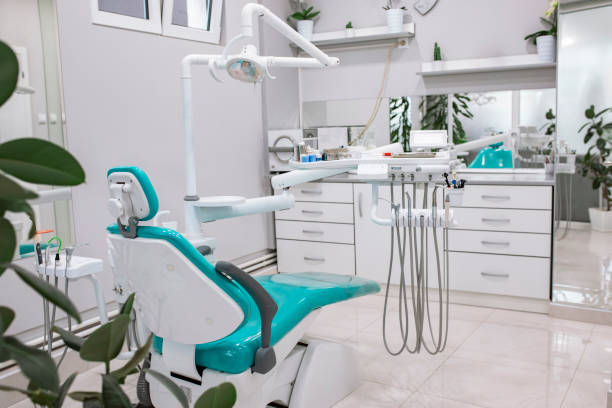
Modern dental surgeries now resemble high-tech laboratories more than the clinical environments of yesteryear. This evolution represents not merely an upgrade in equipment, but a fundamental shift towards evidence-based, minimally invasive treatments that prioritise patient comfort whilst delivering superior clinical outcomes. The convergence of materials science, computer technology, and biological research has created opportunities for dental professionals to offer treatments that were once considered impossible.
Precision Diagnostics Through Advanced Imaging
Digital radiography has revolutionised the diagnostic capabilities available to dental practitioners, offering enhanced image quality with significantly reduced radiation exposure compared to traditional film-based systems. Cone beam computed tomography (CBCT) technology provides three-dimensional imaging that allows clinicians to examine anatomical structures with remarkable detail, facilitating more accurate treatment planning and improved surgical outcomes.
Intraoral scanners represent another leap forward in diagnostic technology, eliminating the need for uncomfortable impression materials whilst creating precise digital models of patients’ teeth and gums. These devices utilise structured light or laser technology to capture thousands of data points per second, generating highly accurate 3D models that can be used for treatment planning, monitoring progress, and fabricating custom restorations.
Materials Science Breakthroughs
The development of biocompatible materials has transformed restorative dentistry, with ceramic composites and advanced polymers offering strength characteristics that rival natural tooth structure. These materials not only provide excellent aesthetic results but also demonstrate superior longevity compared to traditional amalgam fillings. Recent technological advancements in dentistry have particularly focused on developing materials that can integrate seamlessly with natural tooth structure whilst providing antimicrobial properties.
Nanotechnology has emerged as a particularly promising field within dental materials science, enabling the creation of composites with enhanced mechanical properties and improved resistance to bacterial colonisation. These innovations have practical implications for patients seeking treatment from a dentist in Borehamwood residents can trust for modern, effective care.
Artificial Intelligence and Machine Learning Applications
Artificial intelligence has begun to play an increasingly significant role in dental diagnostics, with machine learning algorithms capable of detecting early signs of dental caries, periodontal disease, and oral pathology from digital radiographs. These systems can analyse images with remarkable accuracy, often identifying subtle changes that might escape human observation during routine examinations.
Predictive analytics powered by AI technology enables dental professionals to assess patient risk factors more comprehensively, facilitating preventive interventions that can halt disease progression before symptoms become apparent. This proactive approach represents a paradigm shift from reactive treatment models towards personalised preventive care strategies tailored to individual patient needs.
Minimally Invasive Treatment Modalities
Laser technology has transformed numerous dental procedures, offering precise tissue management with reduced bleeding, swelling, and post-operative discomfort. Soft tissue lasers enable practitioners to perform periodontal therapy and oral surgery procedures with enhanced precision, whilst hard tissue lasers can remove decay and prepare cavities with minimal damage to surrounding healthy tooth structure.
The integration of computer-aided design and manufacturing (CAD/CAM) systems has streamlined the production of custom restorations, enabling same-day treatment for many procedures that previously required multiple appointments. These systems combine digital impressions with precision milling technology to create crowns, veneers, and inlays that achieve optimal fit and function. For patients consulting a dentist, practices increasingly utilise such technologies to enhance treatment efficiency and patient satisfaction.
Future Horizons in Dental Innovation
Emerging technologies continue to push the boundaries of what’s possible in dental care. Dental innovations shaping the future of oral health care include regenerative medicine approaches that may eventually enable the regrowth of damaged tooth structures using stem cell therapy and tissue engineering principles.
Teledentistry platforms have expanded access to dental consultations, particularly valuable for initial assessments and follow-up care. These digital health solutions complement traditional in-person treatments whilst providing convenient options for patients seeking professional dental advice.
Transforming Patient Experiences Through Science
The scientific advances in dental technology have fundamentally elevated the standard of oral care available to patients. Comprehensive innovations in oral health service delivery demonstrate how these technological developments translate into measurably improved patient outcomes. Modern dentistry’s embrace of scientific innovation ensures that patients receive treatments that are more comfortable, predictable, and effective than ever before, establishing a new benchmark for excellence in oral healthcare delivery.
