Why Dual Locking Mechanisms Provide Superior Protection in High Security Safes
Understanding the Foundation of Modern Safe Security
In an era where security threats continue to evolve with alarming sophistication, the humble safe has undergone a remarkable transformation. No longer simply a metal box with a single lock, today’s high-security safes represent the pinnacle of protective engineering. At the heart of this evolution lies a deceptively simple yet brilliantly effective concept: dual locking mechanisms. These systems have fundamentally changed how valuable assets are protected, offering layers of security that single-lock safes simply cannot match.
The principle behind dual locking mechanisms is refreshingly straightforward. Rather than relying on one point of entry control, these safes require two independent locking systems to be disengaged before access is granted. This redundancy creates a formidable barrier against unauthorised entry, whether attempted through manipulation, forced entry, or technological bypass. For those seeking a reliable safe box Dubai residents and businesses can trust, understanding this technology proves invaluable in making an informed decision.
The Science Behind Dual Protection Systems
Dual locking mechanisms operate on the principle of independent verification. Each lock functions autonomously, requiring separate credentials, combinations, or physical keys. This independence means that even if one locking system is compromised, the safe remains secure. The mathematical probability of defeating both systems simultaneously increases exponentially, creating a security advantage that professional security experts consistently recommend.
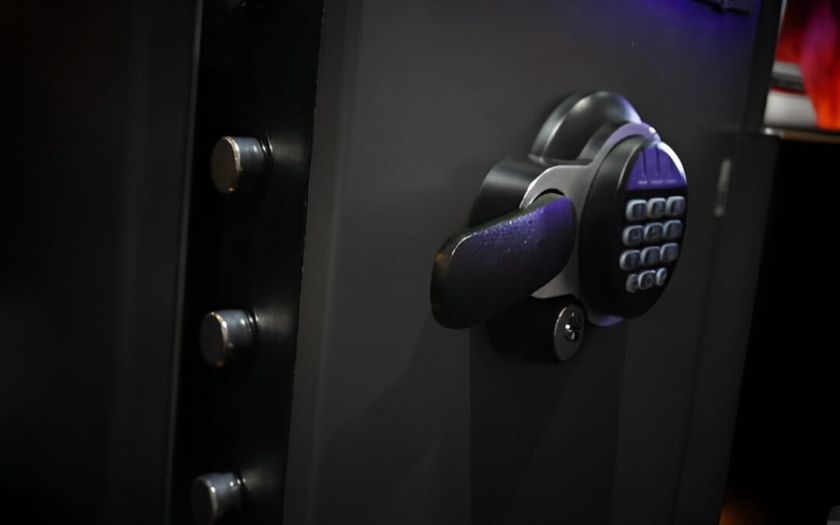
Modern high-security safes typically combine different locking technologies within their dual systems. A common configuration pairs a traditional mechanical combination lock with an electronic keypad, though variations abound. Some models integrate biometric scanners alongside conventional key locks, whilst others employ dual electronic systems with separate access codes. This diversity of approach allows users to select combinations that best suit their security requirements and operational preferences. Those interested in exploring the benefits of dual locking technology will find numerous configuration options available in today’s market.
Resistance Against Common Attack Methods
Physical Manipulation
Professional safe crackers have historically relied on tactile feedback and acoustic signatures to manipulate single-lock mechanisms. Dual locking systems dramatically complicate this approach, as each lock requires entirely different manipulation techniques.
Forced Entry Attempts
When confronted with forced entry attempts, dual locking mechanisms distribute stress points across multiple hardened components. Attackers must overcome two separate locking bolts, each independently secured, which significantly extends the time required for breach attempts. This extended timeline often proves decisive, as most criminals abandon efforts that exceed their available window of opportunity.
Enhanced Security for Diverse Applications
The versatility of dual locking systems makes them particularly valuable across various security scenarios. Commercial establishments handling substantial cash reserves benefit from the added accountability these systems provide, as two separate authorisations can be required for access. Financial institutions and jewellers routinely specify dual mechanisms in their security protocols, recognising that the investment in superior protection far outweighs potential losses from inadequate security measures.
Residential applications have equally embraced this technology. Homeowners safeguarding irreplaceable family heirlooms, important documents, or valuable collections appreciate the peace of mind that dual systems deliver. The psychological comfort of knowing that multiple barriers stand between one’s valuables and potential thieves cannot be overstated. For those researching options, comprehensive guides on selecting appropriate high-security safes provide valuable insights into matching security features with specific needs.
Maintenance and Operational Considerations
Whilst dual locking mechanisms offer superior protection, they do require thoughtful maintenance. Regular servicing ensures both locking systems function optimally, preventing the inconvenience of lockouts or mechanical failures. Users should familiarise themselves with the various types of safe locks to understand proper care procedures for their specific configuration.
The operational routine for dual-lock safes becomes second nature with practice. Though initially requiring slightly more time to open than single-lock alternatives, users quickly develop efficient access habits. This minor inconvenience represents a negligible trade-off for the substantial security advantages gained.
The Future of Safe Security
As security technology advances, dual locking mechanisms continue to evolve. Integration with smart home systems, remote monitoring capabilities, and advanced biometric authentication represent the next frontier. However, the fundamental principle remains unchanged: multiple independent barriers provide demonstrably superior protection. Whether seeking a safe box Dubai businesses require or residential security solutions, dual locking mechanisms represent the gold standard in high-security protection, combining time-tested principles with cutting-edge innovation to safeguard what matters most.